
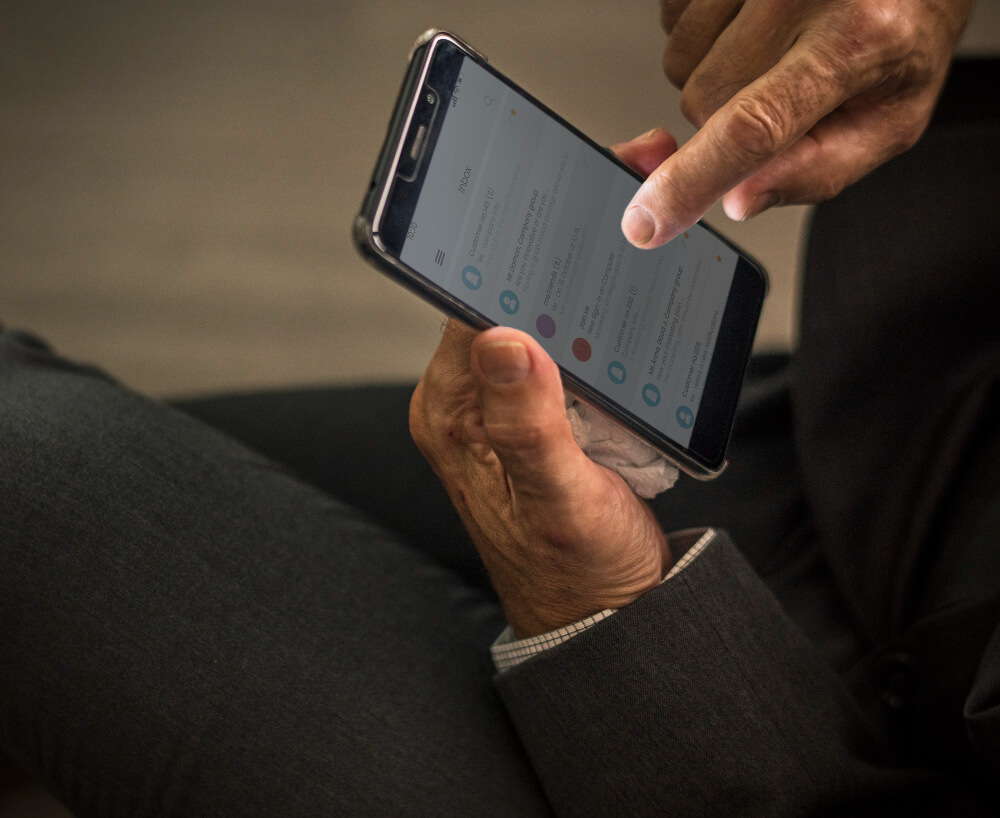
Federal agents once pulled 127 days of location records from one man’s phone without a warrant. The records placed him near four robbery scenes, and he was sentenced to more than a century in prison. If you are ever accused of anything, the first witness against you will probably be the device in your pocket, which is why smart people call a defense lawyer for criminal charges before they say a single word to anyone.
That case reached the Supreme Court and changed the rules for pulling location data. But the bigger lesson has nothing to do with one ruling.
Your devices keep a record. That record does not care whether you are innocent.
The evidence you built yourself
Twenty years ago, a criminal case ran on witnesses. Someone saw something. Someone said something. Memory was fuzzy and stories shifted.
Now a case runs on data. Your step counter. Your car’s infotainment log. The doorbell camera across the street. Your smart speaker’s wake word history. The hidden metadata in a photo that shows the exact second and spot it was taken.
Police like this evidence because it does not get nervous on the stand. Prosecutors like it because juries trust numbers more than they trust people.
Here is what most people miss. That data is almost always incomplete. A phone pinging a tower does not prove a person was holding it. A location dot can carry a margin of error wider than a city block. Timestamps drift between devices. Cloud backups sync hours late. Every one of those gaps is something a defense attorney can pull on, but only if the data gets preserved and questioned early.
Three Ways to Protect Yourself While Nothing Is Official Yet
1. Set up your device so it cannot be opened by accident
Courts keep circling one question: can you be forced to unlock a device? The answer often depends on how you lock it.
Many courts have treated a passcode as something you know, which gets stronger protection because saying it out loud is closer to testimony. A fingerprint or a face scan is often treated as something you are, closer to handing over a key. That split is not settled everywhere and it keeps shifting. The practical takeaway is still simple:
- Use a long alphanumeric passcode instead of a four digit PIN
- Learn the emergency shortcut that instantly disables face and fingerprint unlock on your phone
- Confirm full device encryption is on, since it is default on modern phones but worth checking
- Set the device to demand the passcode after every restart
- Remember your cloud backups, because a copy on a server can be requested separately
That last point catches people off guard. You can lock a phone down perfectly and still have every message sitting on a server that answers to a subpoena.
2. Learn the exact words that stop a search
Consent is the shortcut police use most, because it works. Agree to a search and you hand over the protection a warrant would have forced someone to earn.
In Riley v. California, the Supreme Court ruled that officers generally need a warrant to search the digital contents of a phone taken during an arrest. Strong protection. You can still give it away in three seconds by saying “sure, go ahead.”
Two sentences matter, and both should be said calmly:
“I do not consent to a search.”
“I want a lawyer.”
Say them clearly. Do not argue, resist, or explain your side. The Electronic Frontier Foundation’s guide to your rights during a device search covers what happens next depending on whether officers show up with a warrant or without one.
Then stop talking. That is harder than it sounds. Silence feels like an admission, so people fill it. Innocent explanations get repeated back months later with different emphasis, and tiny inconsistencies become a theme in front of a jury.
3. Preserve your own data instead of deleting it
The instinct is to wipe everything. Fight that instinct.
Deleting can stack a fresh charge on top of the one you were already worried about, and it usually fails anyway. Forensic tools recover deleted files, and the deletion timestamp becomes evidence all by itself. A prosecutor will happily walk a jury through why you cleared your phone the night after the incident.
Do the reverse. Screenshot the messages that show context, then move copies somewhere off the device. Download your full location history from your account settings. Pull rideshare trip logs, transit taps, and card receipts that place you somewhere else. Write down what you remember the same day, because memory decays fast and your own notes become a reference point later.
Then send all of it to your attorney rather than to friends. Messages to a friend are not protected, and a well meaning group chat about your case can end up in front of a jury.
The clock is the real enemy
Digital evidence disappears on a schedule. Carriers keep records for a fixed window and then purge them. Store cameras and doorbell systems often overwrite footage within days. Delivery and rideshare apps drop trip details after a set period.
A defense that starts three months late is fighting for records that no longer exist. An attorney can send preservation letters to carriers, businesses, and platforms, but only while the data is still sitting there.
That is the entire argument for calling early, even when nothing has been formally filed. Investigations run quietly. The first sign is usually a knock at the door, or a friendly call asking you to come in and clear something up. By then, the other side has been collecting for weeks.
The Carpenter v. United States ruling limited warrantless access to long stretches of cell site location data, and it was a real win. It was also decided years after the man in that case was already convicted and sentenced. Rights on paper only help if someone asserts them at the right moment.
What your data actually proves
Your phone is the most honest witness you will ever have, and the easiest one to misread. It records where a device was, not why. It records what you typed, not what you meant.
Someone is going to build a story out of that record. The only real question is whether anyone is building the version that includes your side of it.
Lock the device. Say the two sentences. Save everything. Call early.
